Earn

What AI Doesn't Tell You: Hidden Gaps in AI-Assisted Legal Research

AI hallucinations get the headlines-fabricated citations, invented cases, sanctions from the bench. But the more pervasive risk is one that leaves no evidence: incomplete retrieval. When AI-assisted research omits a relevant ruling, a recent regulatory change, or an entire line of authority from a neighboring jurisdiction, the output looks clean. Nothing flags a second look. This course moves past the hallucination conversation to examine the structural constraints that make AI legal research inherently incomplete, where those gaps are most likely to surface, and how attorneys can build verification practices that satisfy their duty of competence-even when AI gives no warning that something is missing.

Learning Objectives

  • Distinguish between AI hallucinations (visible) and incomplete retrieval (invisible) as distinct and separately dangerous failure modes

  • Identify the three structural constraints-training cutoffs, database access, and retrieval limits-that determine what any AI platform can and cannot find

  • Identify the research areas most exposed to silent gaps: recent decisions, jurisdiction-specific case law, administrative guidance, and local rules

  • Apply a practical verification protocol to AI-assisted research before work product is finalized

  • Evaluate AI research tools against the baseline competency standard: knowing what your platform is connected to and what it is not

  • Recognize the professional responsibility implications of invisible research gaps under ABA Model Rule 1.1 and related obligations

This CLE is provided by Lawline. To earn your credit, click the Play button above.

About the Presenter

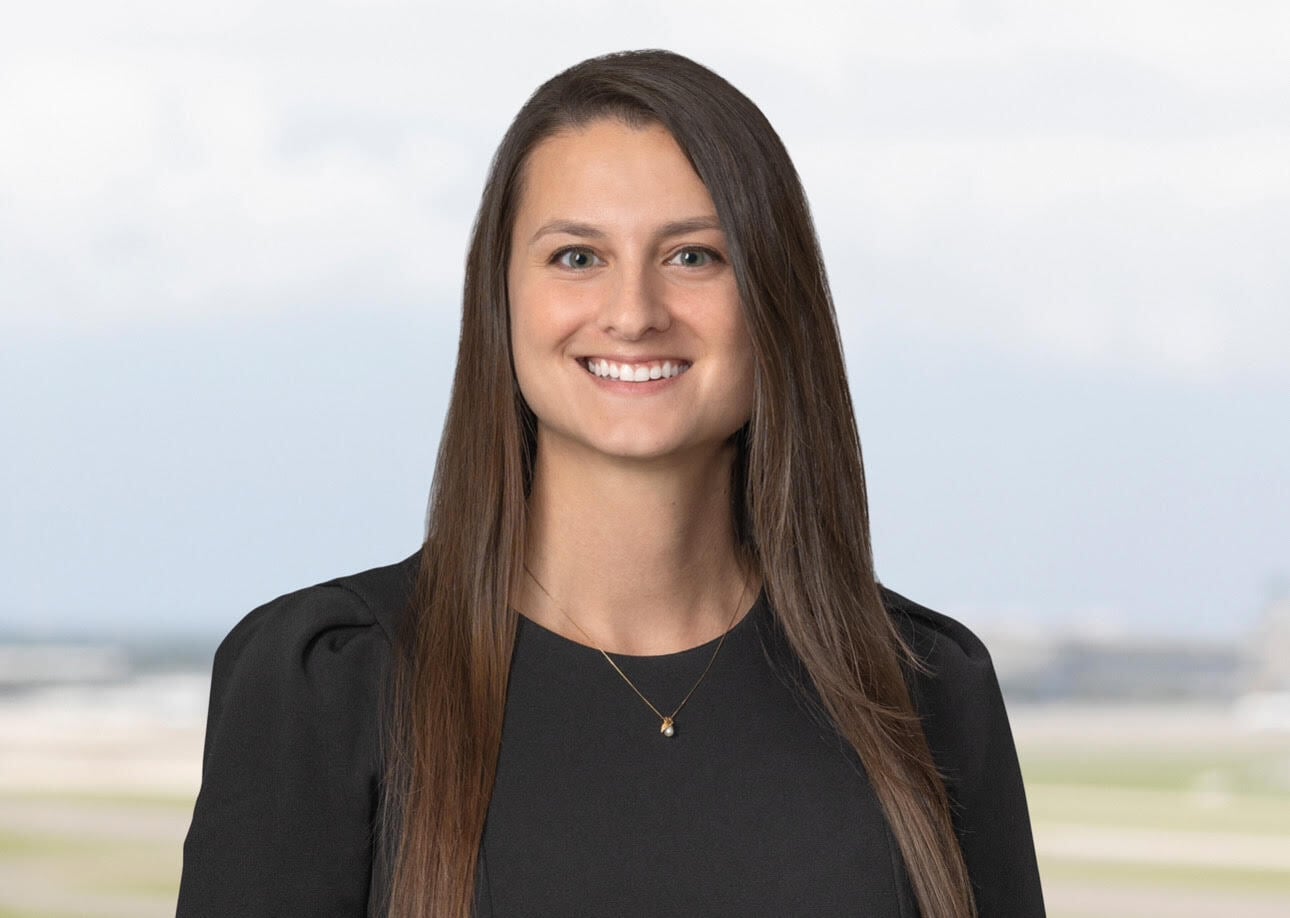
Sierra Van Allen

Sierra Van Allen is Steno’s Legal Solutions Manager, focused on legal technology and thought leadership for legal professionals. A licensed Florida attorney, she previously practiced construction litigation at Carlton Fields in Tampa. Sierra graduated summa cum laude from Stetson University College of Law and holds an undergraduate degree from the University of Arkansas. Before law school, she worked as a Certified Paralegal at Linebarger Goggan Blair and Sampson in Broomfield, Colorado.